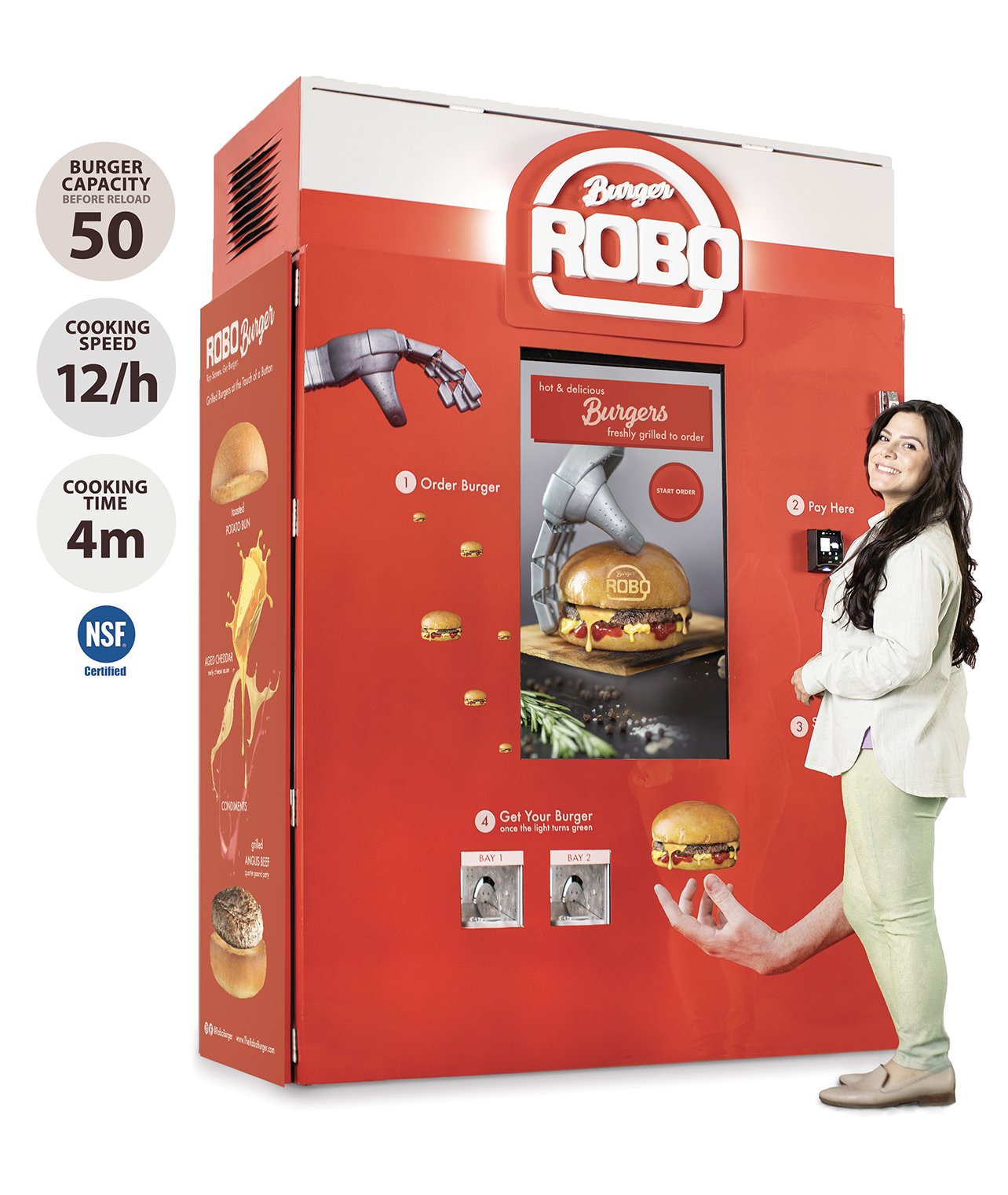
From a garage in Jersey City to a nationally certified, AI-powered robot kitchen. RoboBurger condenses a full restaurant into ~10 square feet — grilling fresh, delicious burgers at the press of a button.
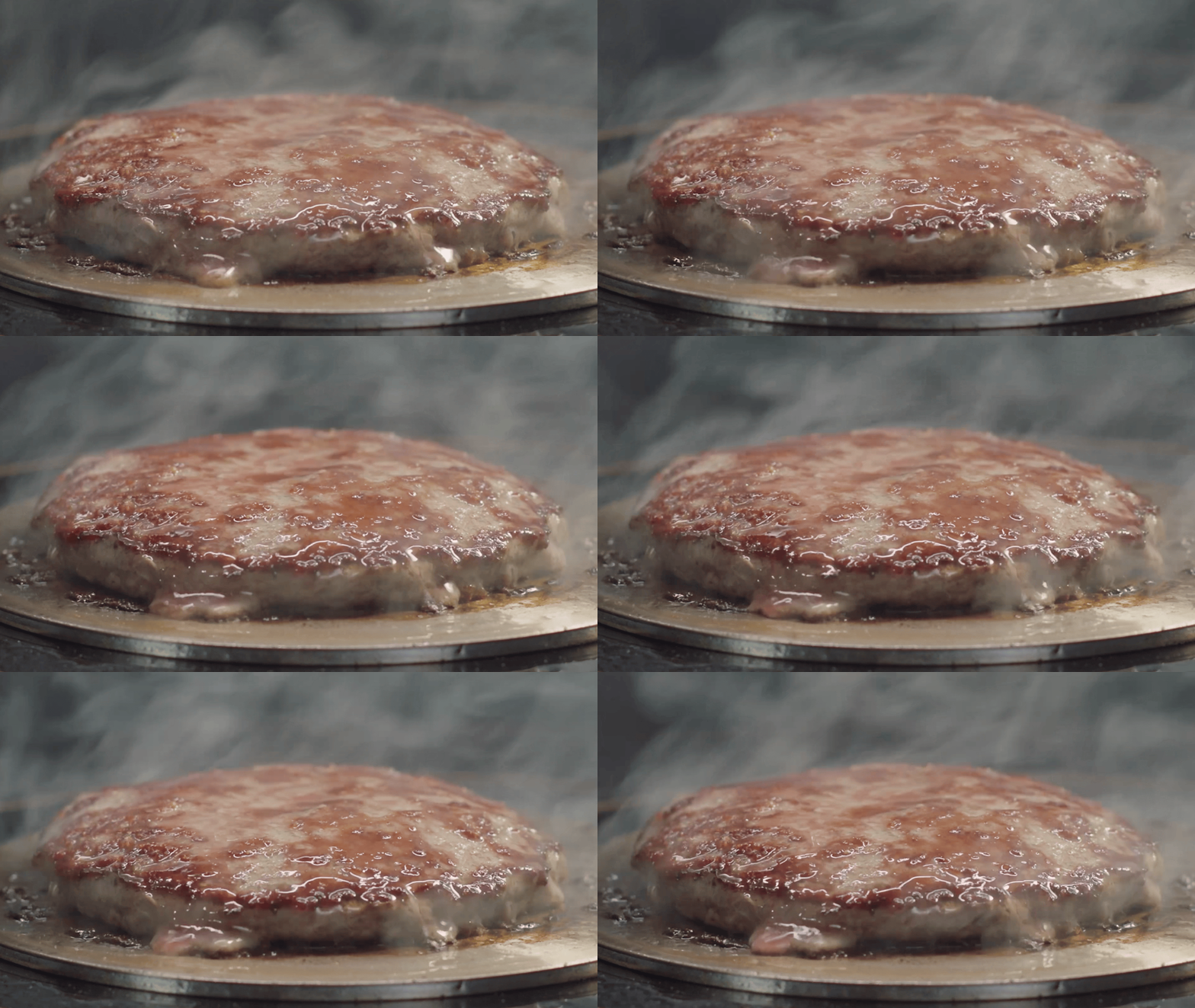
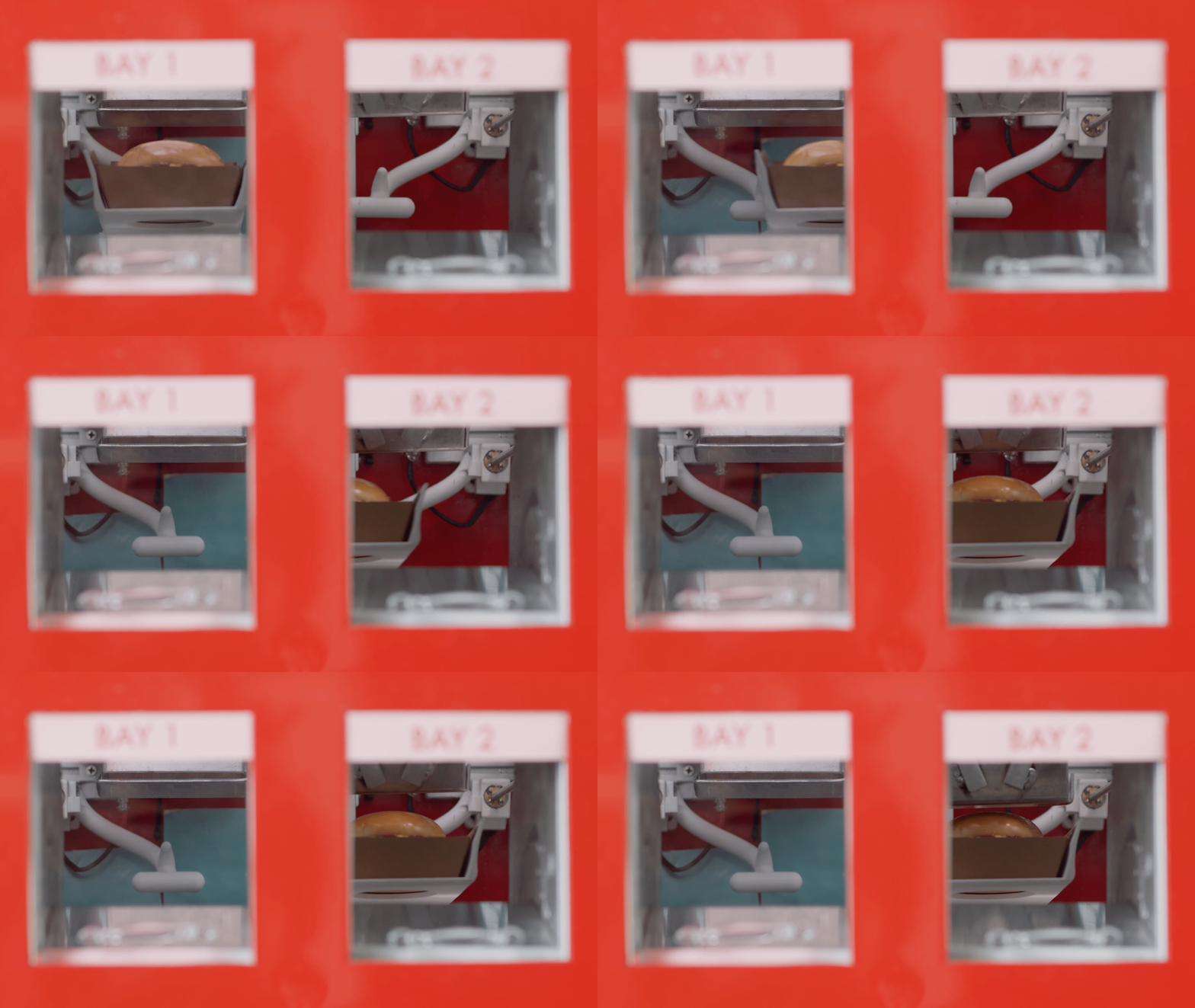
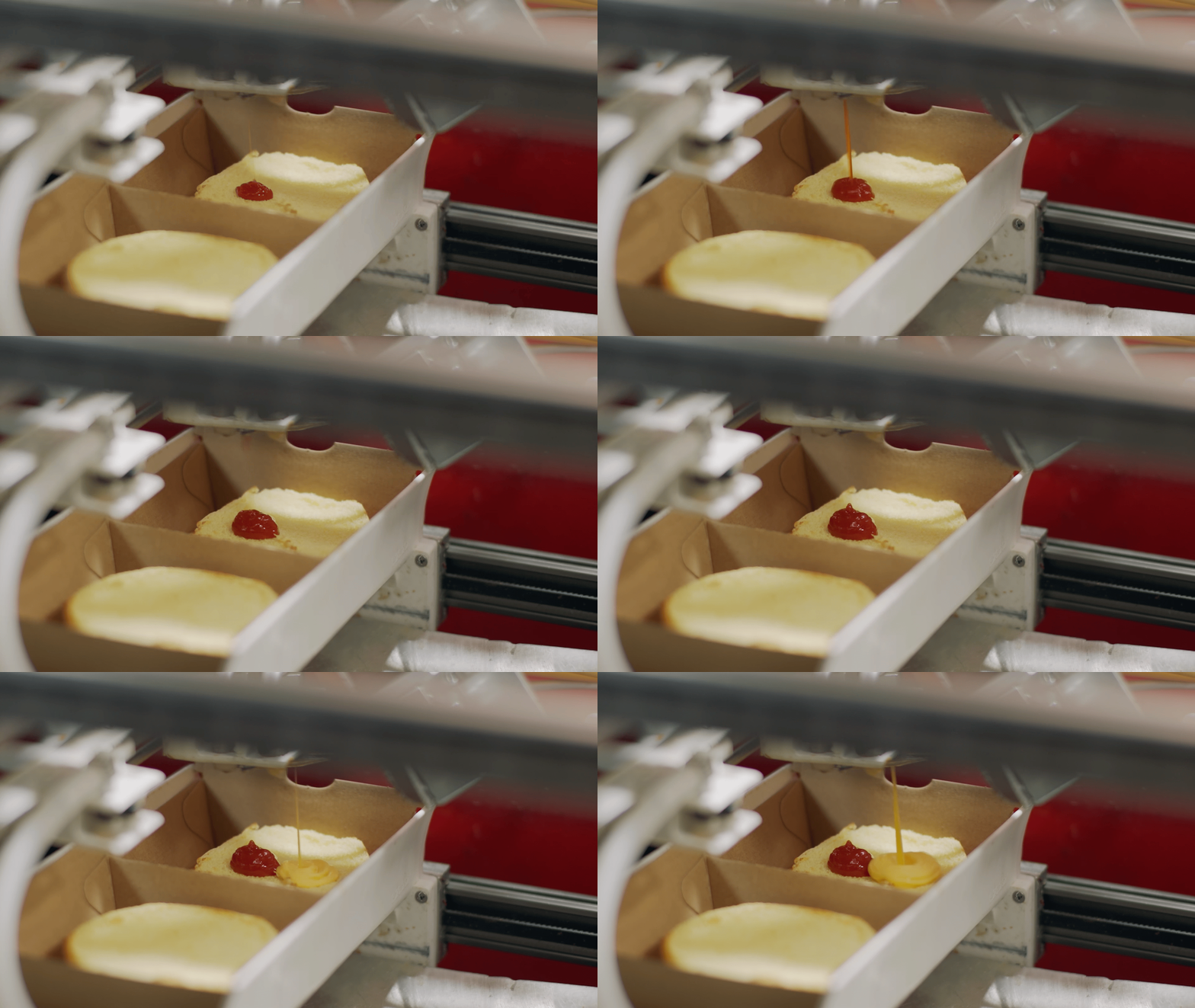
RoboBurger uses a 5-step cooking process identical to what chefs use in a traditional restaurant — grilling, toasting, seasoning, assembling, and delivering.
Dual flameless griddle sears the patty on both sides
Electric toaster lightly crisps the Martin's potato bun
Heinz condiments dispensed to your selection
Robot stacks patty, cheese, condiments on bun
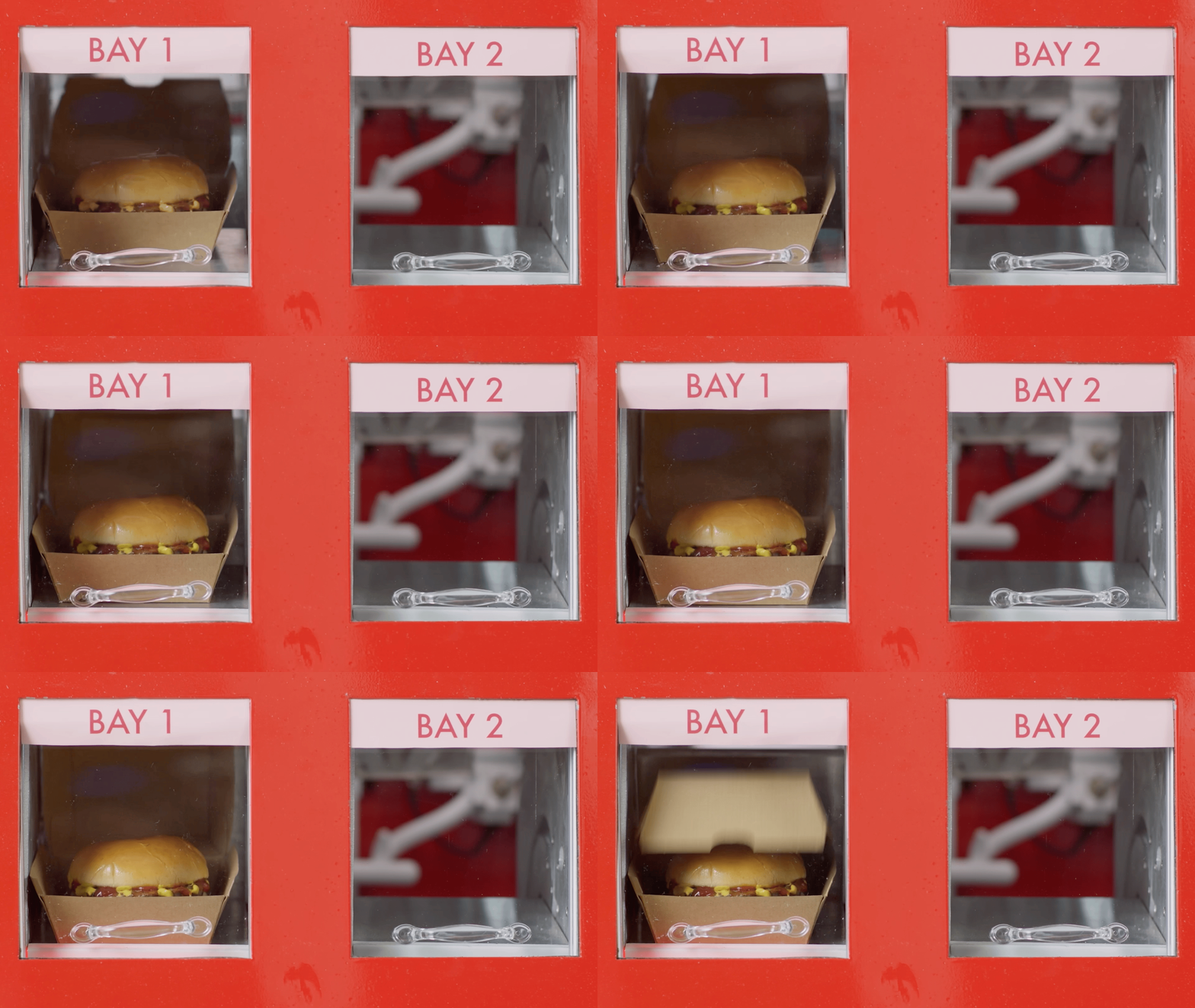
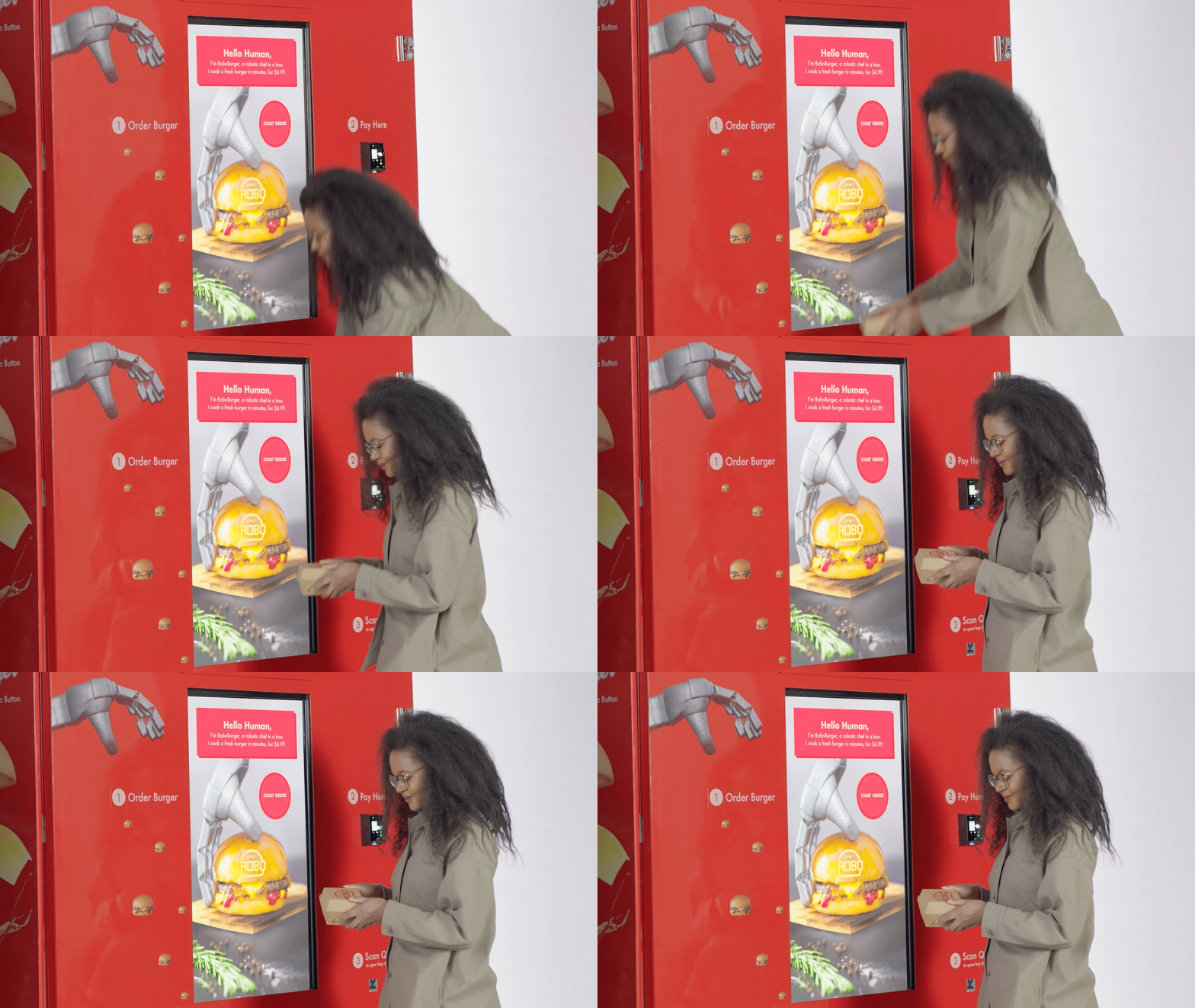
Fresh burger served through one of two delivery bays
The original RoboBurger proved autonomous food works. Gen 3 is engineered for scale — redesigned from the ground up with higher capacity, a striking new exterior, and a live viewing window so customers see every burger being made.
Gen 2 — Where It Started
50 burger capacity · 12/hr cooking speed
Gen 3 — Built for Scale
70 burger capacity · Live viewing window · Touchscreen ordering
Significantly higher refill capacity for high-traffic venues
Customers watch every burger being grilled & assembled in real time
Redesigned internals & exterior built for manufacturing at scale
Compact footprint, multi-voltage support, NSF + international certifications
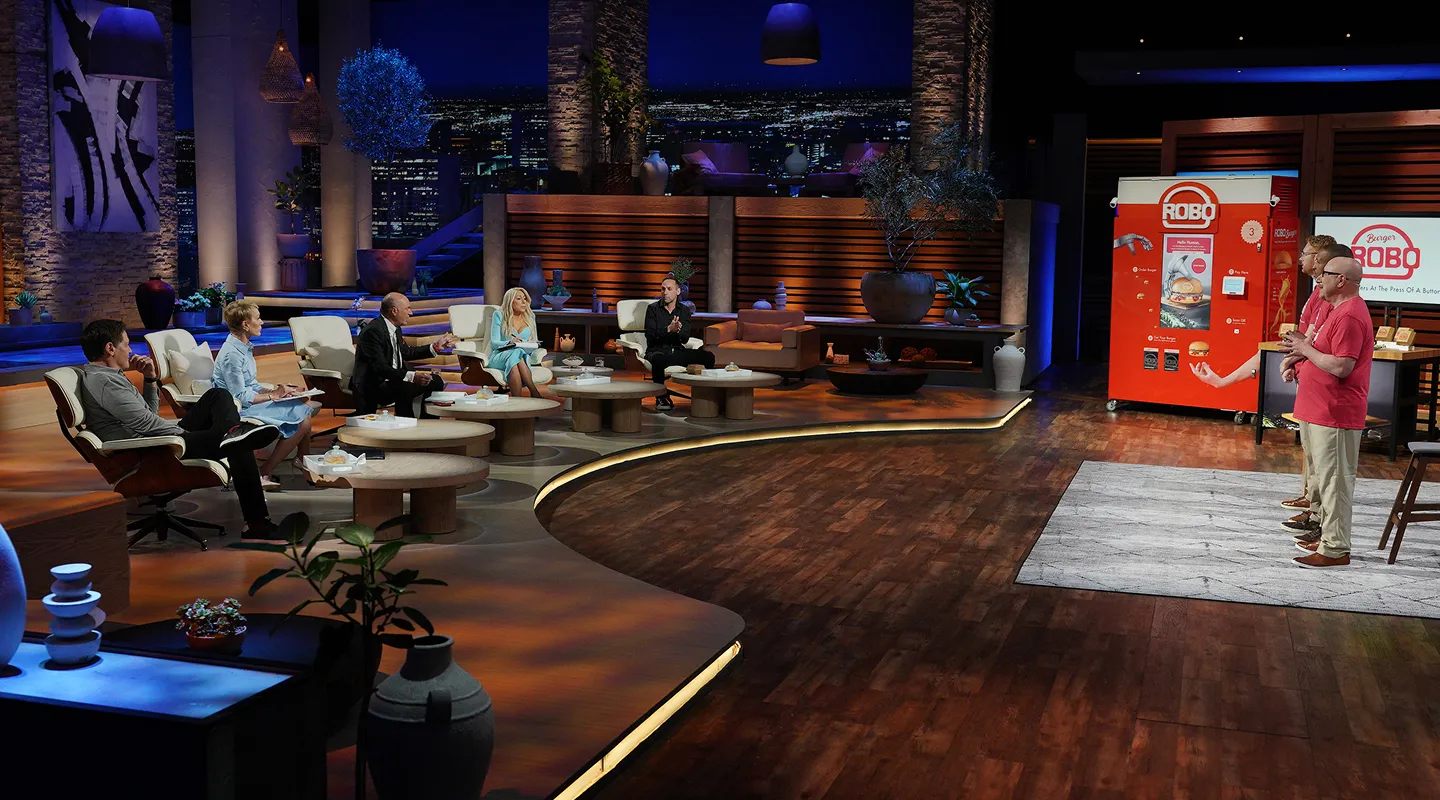
“This is a big idea!”Michael Rubin — CEO of Fanatics, Shark Tank Season 15
A complete kitchen in miniature — no hood, no gas, no grease trap. Just plug in and serve.
All-electric, ventless. Only requires 220–240V @ 30A. No construction, no permits, no kitchen staff.
Engineered for commercial food safety — independent lab testing, automated cleaning cycles, and temperature monitoring throughout every cook.
Every unit reports inventory levels, health metrics, and alerts to our cloud data lake in real time.
No kitchen build-out, no chef, no hood ventilation. Full restaurant output with a fraction of the overhead.
USDA Choice Angus beef, Martin's potato buns, Heinz condiments. Not reheated — flame-grilled fresh every time.
Protected IP expanding internationally. Patented dispensing, cooking, assembly, and cleaning systems.
“It allowed us to close the kitchen with just one shift and we could still serve burgers until 3am every night.”Geza G. — Director of Operations, Jersey City, NJ
The same team that built the world's first autonomous burger machine is now building the connected kitchen of the future — IoT monitoring, predictive maintenance, and cloud-powered operations across every unit.
Dispensing, thermal management, autonomous assembly, and connected operations — proprietary IP protecting every innovation inside the machine.
Real-time monitoring across distributed robot units — predictive maintenance, inventory optimization, demand forecasting.
Automated cleaning, real-time temperature monitoring, and lab-tested sanitation protocols built into every unit.